


Barometric Pressure and Ears: Symptoms and Causes
Updated: 1 day ago
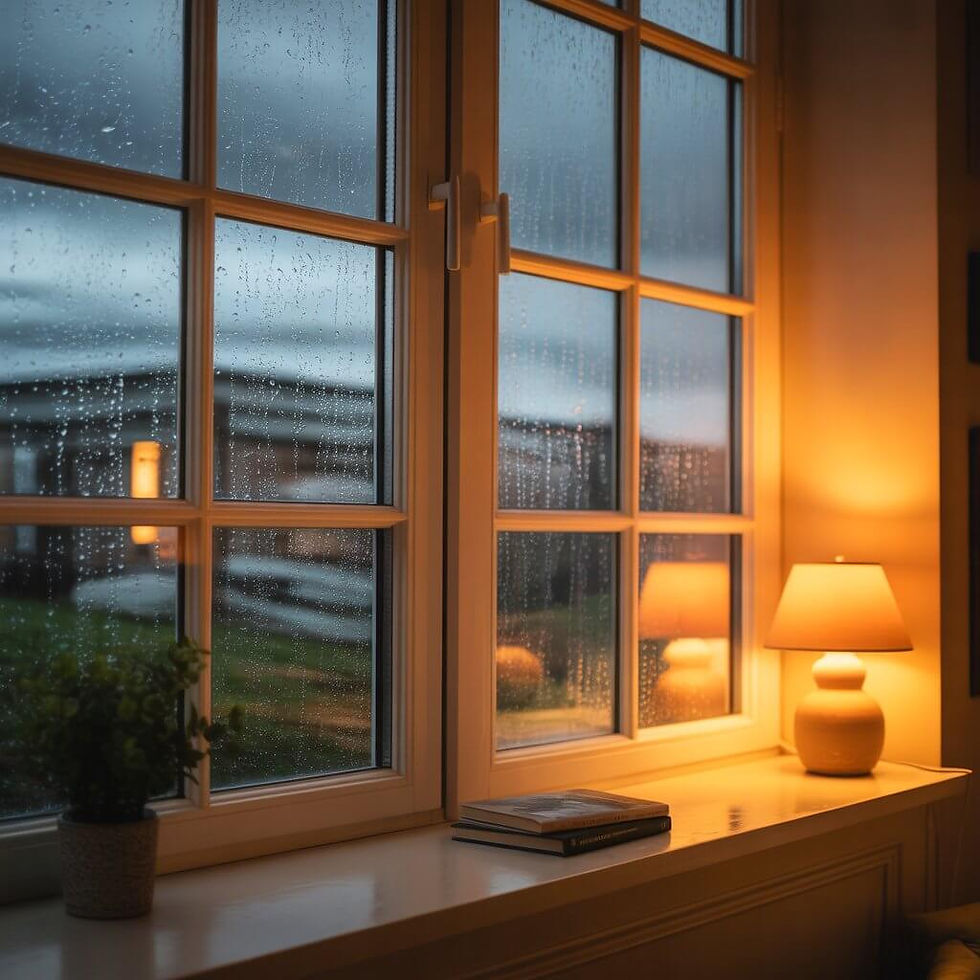
If you’ve ever noticed your ears feeling blocked before a storm, worsening tinnitus on rainy days, or increased dizziness during sudden weather changes, you are not imagining it. The connection between barometric pressure and ears is very real for many people - especially those living with vestibular conditions like Menière's disease.
And definitely for me! It’s one of my worst triggers.
Many people describe feeling as though they can “sense” incoming weather changes before anyone else. For some, this may mean mild ear popping or pressure. For others, it can trigger vertigo, tinnitus, ear fullness or hearing fluctuations. I’ve said for years that I’m a walking, talking weather forecast.
So let’s explore what barometric pressure actually is, how it affects the ears, and what current research says about the relationship between weather changes and Menière's disease.
What is barometric pressure?
Barometric pressure (also called atmospheric pressure) is the weight of the air around us.
Weather systems constantly change this pressure.
High pressure is often linked to calmer, clearer weather.
Low pressure is commonly associated with rain, storms and unsettled weather.
Your ears are extremely sensitive to pressure changes because the middle and inner ear rely on balanced pressure to function properly.
The NHS explains that pressure differences can affect the ears and contribute to sensations like fullness, discomfort or temporary hearing changes. This is why ears often pop during flights, elevation changes or storms.
How barometric pressure and ears are connected
Inside the ear is a tiny structure called the eustachian tube. Its job is to equalise pressure between the middle ear and the outside environment.
When atmospheric pressure changes rapidly, the ears may struggle to adjust quickly enough.
This can lead to symptoms such as:
Ear fullness or pressure
Popping sensations
Muffled hearing
Temporary tinnitus worsening
Ear pain
Dizziness or imbalance
According to the American Academy of Audiology, weather-related pressure changes can affect people differently depending on underlying ear conditions and how sensitive their vestibular system is.
Many people particularly notice symptoms during:
Thunderstorms
Sudden temperature changes
Flying
Mountain driving
Seasonal transitions
Rapid pressure drops before rain
Barometric Pressure Menière's Disease: Is there a link?
For people living with Menière's disease, weather changes can feel far more significant than simple ear popping.
Menière's disease affects the inner ear and is believed to involve abnormal fluid regulation known as endolymphatic hydrops. Researchers have long suspected that atmospheric pressure changes may influence this delicate inner-ear fluid system.
A major study published in PLOS One found that patients with Menière's disease had a significantly increased likelihood of vertigo attacks following drops in atmospheric pressure.
More recent research published in Scientific Reports in 2025 suggested that decreases in atmospheric pressure may actually increase the volume of the endolymphatic space inside the inner ear. Researchers proposed that this could help explain why some people experience worsening Menière's symptoms during bad weather.
Additional research published on PubMed found correlations between Menière's attacks and meteorological factors including atmospheric pressure changes.
Why some people are more sensitive than others
Not everyone experiences weather-related ear symptoms in the same way.
Some people barely notice pressure changes, while others experience severe symptoms.
Researchers believe this may relate to:
Inner ear fluid sensitivity
Eustachian tube dysfunction
Vestibular migraine
Existing hearing loss
Sinus inflammation
Menière's disease
Autonomic nervous system sensitivity
Interestingly, many people with vestibular disorders report being able to “predict” storms before weather forecasts do.
While anecdotal evidence is not the same as clinical proof, thousands of people with vestibular conditions consistently describe worsening symptoms during rapid weather changes.
Common symptoms triggered by pressure changes
People sensitive to atmospheric pressure may notice:
Ear fullness
A clogged, blocked or underwater sensation in the ears. Bringing a desperate need to “pop” the ears.
Increased tinnitus
Ringing, buzzing or roaring sounds may become louder during pressure shifts.
Hearing fluctuations
Some people notice temporary muffled hearing or sound distortion.
Vertigo and dizziness
Those with vestibular disorders may experience imbalance or spinning sensations.
Headaches and migraine
Pressure changes are also known migraine triggers, which can overlap with vestibular symptoms.

Ideas for managing barometric pressure ear symptoms
While you cannot control the weather, some people find these strategies helpful:
Track Weather Patterns
Using weather apps with barometric pressure tracking may help identify personal triggers.
Stay Hydrated
Dehydration may worsen vestibular symptoms for some people.
Manage Sodium Intake
Many people with Menière's disease are advised to moderate salt intake to support fluid balance, along with other dietary adjustments.
Reduce Stress
Stress can amplify vestibular symptoms and tinnitus perception.
Use Gentle Pressure Equalisation
Yawning, swallowing or chewing gum may help during pressure shifts.
Avoid Sudden Altitude Changes During Flare-Ups
Flying or mountain travel can worsen symptoms for some people during active episodes.
Speak to a Specialist
ENT consultants, audiologists and vestibular physiotherapists may provide additional support.
My experience with barometric pressure and ears
The relationship between barometric pressure and ears is more than just a coincidence for many people. Research increasingly suggests that atmospheric pressure changes may influence the inner ear, particularly in conditions like Menière's disease.
For me it is absolutely my worst trigger. It is the one that I track daily as it can explain why my symptoms are flaring up or calming down.
My symptoms flare mostly when I experience rapid pressure drops. So if it goes from being a very warm day to a cold rainy one in a few hours. My ear struggles with this fast change in pressure and I will definitely know about it and feel ill.
If you know or suspect that weather changes affect you, you are definitely not alone.
You don't have to read about this alone
Reading other people's stories helps, but nothing quite replaces having somewhere to actually ask your own questions and get answered by people who understand exactly what you're going through. That's why I built the free Living with Menière's community, so you've got somewhere to land when the blogs aren't quite enough.
Health Disclaimer
This article is for informational purposes only and based on personal experience. It does not replace medical advice. Always consult a qualified healthcare professional before making changes to your diet, medications, treatment plan or start any kind of exercise regime.
Hi, I'm Sally - a Nutritional Therapist and chronic illness blogger who has been living with Menière's disease, TMJ Disorder and Degenerative Disc Disease for over twenty years. I write about the real experience of managing these conditions day to day, blending personal insight with nutritional and lifestyle knowledge. I hope something here helps you feel a little less alone.


